

Leak Detection for Pools &
Spas
We pinpoint leaks fast-then repair lines, skimmers, fittings, tile, and more.Fast response and upfront pricing.
Quick Answer
What pool leak repair means in practical terms
Pool leak repair starts with confirming where water is escaping. In Central Texas, the most common causes are underground plumbing failures, skimmer cracks, fitting leaks, structural cracks, light conduit leaks, and water-feature failures that slowly send water into the soil instead of back into the pool system.
Good leak repair is not just patching what looks suspicious. The right process is to isolate the source, explain the repair path clearly, complete only the necessary access work, and verify that the pool or spa is holding water correctly before the job is closed out.
Common causes
- Underground return or suction line leaks
- Cracked skimmers or separated skimmer throats
- Loose fittings, plugs, or wall penetrations
- Cracks in plaster, shell transitions, or raised spas
- Failed sealant around light conduits, spillways, or water features
Why homeowners act quickly
- Ongoing water loss can raise utility bills quickly in hot weather
- Wet soil around the shell or deck can lead to bigger repair scope later
- Air entering the plumbing can affect circulation and equipment performance
- Small leak points usually stay cheaper to fix than long-ignored failures
How do you tell a leak from evaporation?
Evaporation is normal in hot, dry weather, but a pool that keeps dropping to the same level, develops wet soil nearby, or shows air in the plumbing usually needs leak testing and repair.
What parts of a pool usually leak?
The most common leak points are return and suction lines, skimmers, fittings, light niches, tile transitions, raised spas, and water features where movement or age has opened a path for water to escape.
What happens after the leak is found?
Once the leak source is confirmed, the repair plan should explain access, materials, expected downtime, and how the fix will be verified so you know exactly what you are approving.
Warning Signs
A SMALL LEAK
GETS EXPENSIVE FAST.
Expert pool & spa leak detection and leak repair in Central Texas. Non-invasive electronic locating, pressure testing, and targeted repairs.
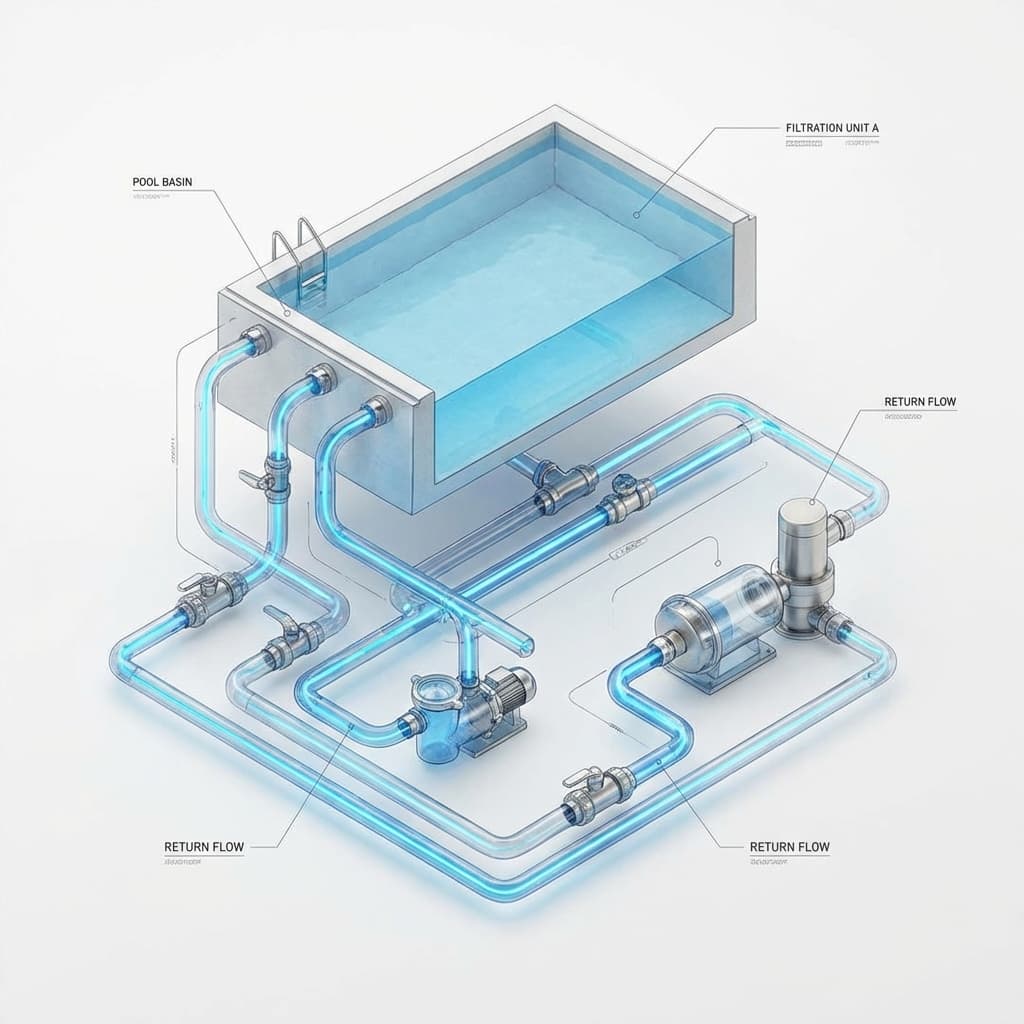
“Early detection is cheaper than structural repair.”
Diagnose
Electronic leak detection (non-invasive)
Repair
Pressure testing of plumbing lines
Verify
Dye testing for visual confirmation
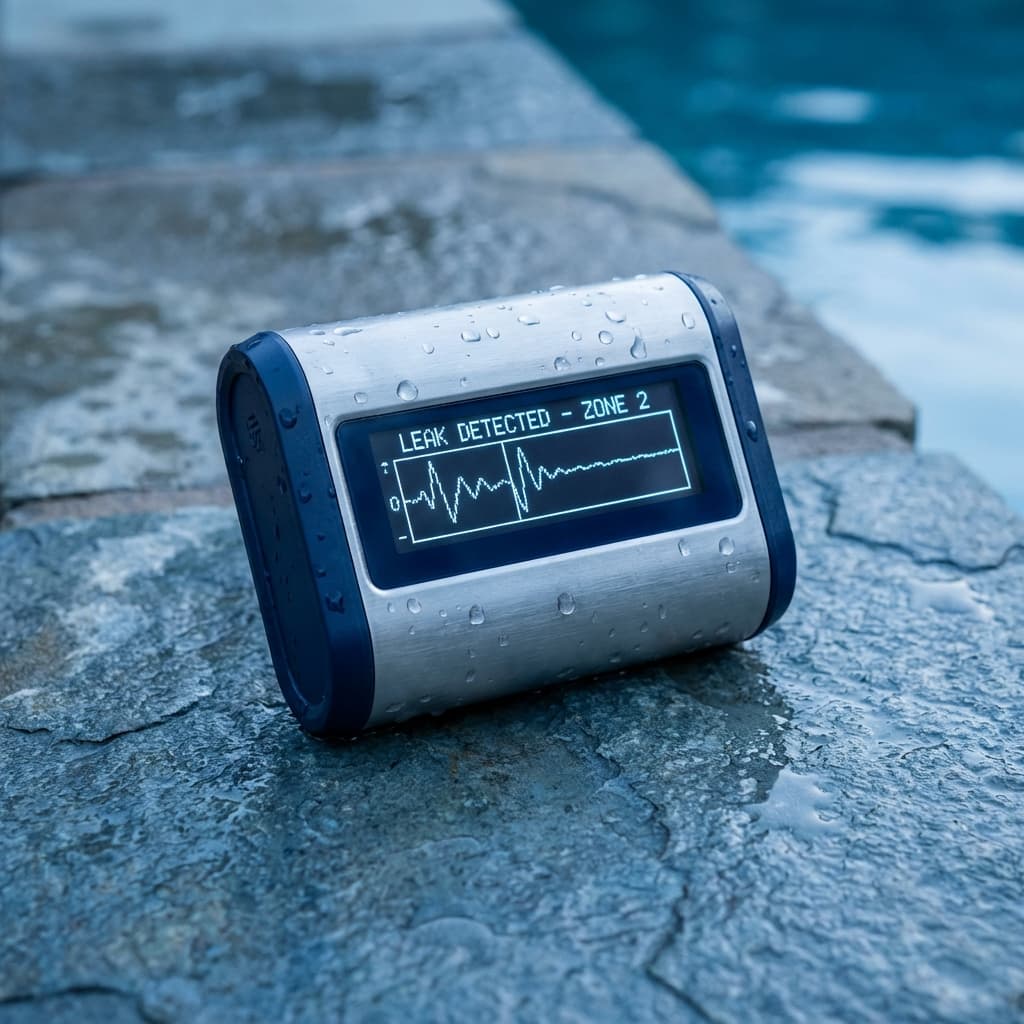
Non-Invasive. Non-Destructive.
We don’t dig until we know exactly where the issue is.
Work Gallery
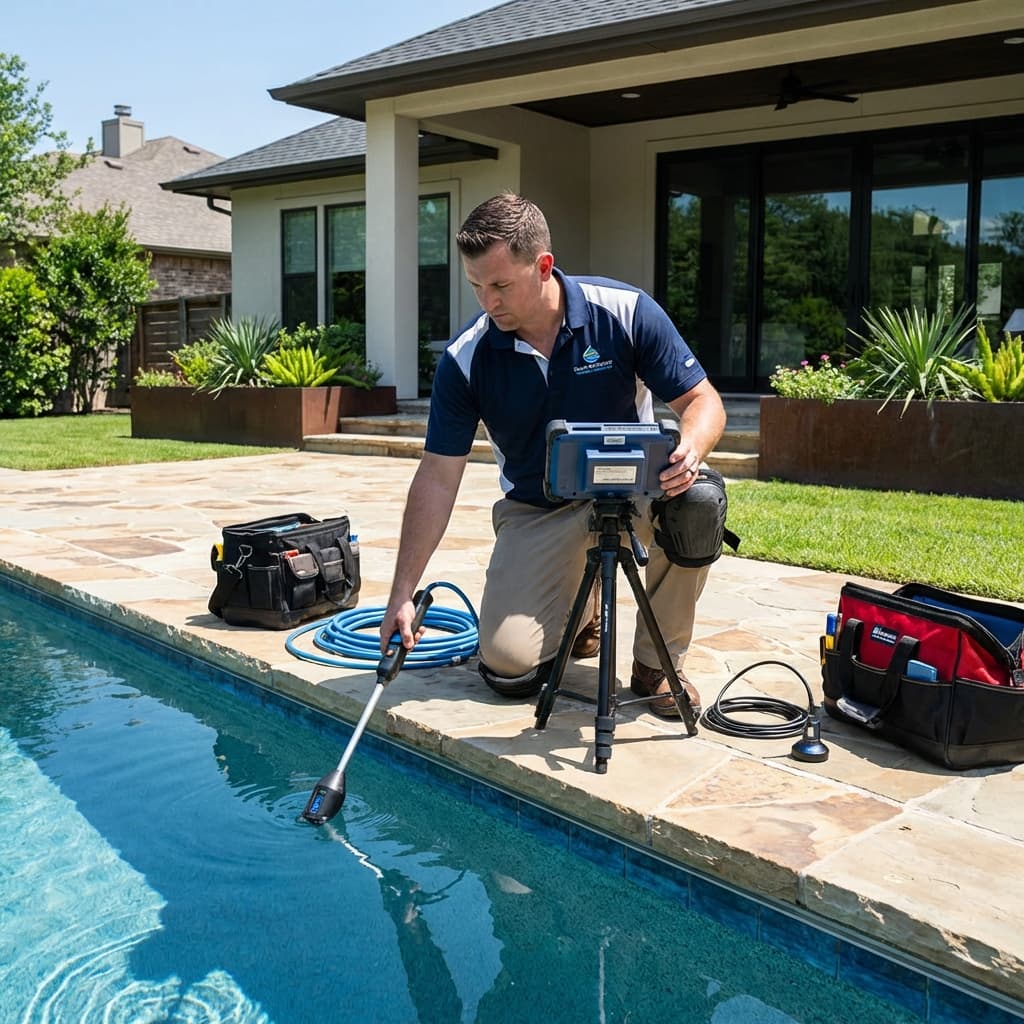
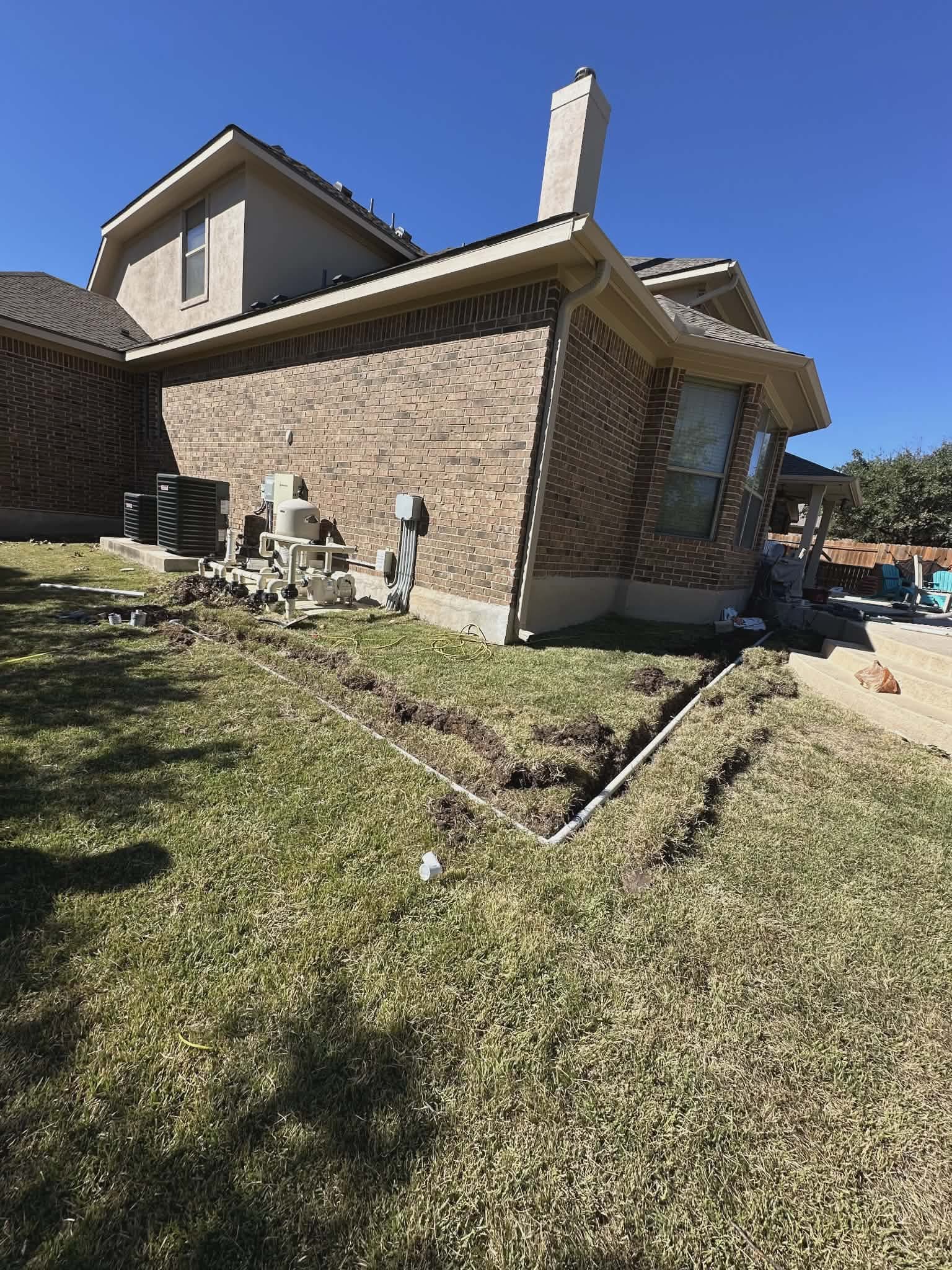
NON-INVASIVE. NON-DESTRUCTIVE.
We pinpoint leaks fast-then repair lines, skimmers, fittings, tile, and more.
Commercial Service
HOTELS. APARTMENTS. HOAs.
Keep amenities open and water loss under control. We schedule quickly, document findings, and verify results for property managers.
COMMON QUESTIONS
How much water loss is too much for a pool in Central Texas?+
Can you repair the leak after you find it?+
Will you have to tear up my whole deck to repair a leak?+
What are the most common pool leak repairs you perform?+
Should I keep refilling the pool until I can schedule repair?+
30-Day Detection Warranty
If we locate and repair a leak and it persists, we'll return to re-check it.
Schedule Your Scan
Fast response for urgent water loss issues.
Get My Free Quote
Fill out the form below for a fast response.
Related Resources
Helpful pages for pool & spa leak detection & repair
These city pages and blog guides give homeowners a faster path to the right diagnosis, service area details, and next steps.
Austin pool leak repair
Location-specific leak repair coverage for Austin homeowners.
Read about Austin pool leak repairRound Rock pool leak repair
Leak repair help for Round Rock pools losing water, showing wet soil or air bubbles, or dropping to the same level.
Read about Round Rock pool leak repairCedar Park pool leak repair
Leak repair help for Cedar Park pools losing water, showing wet soil, or dropping to the same level.
Read about Cedar Park pool leak repairDIY bucket test guide
A quick at-home check for evaporation versus a real leak.
Read about DIY bucket test guideEvaporation or leak?
How Central Texas heat affects water loss and when to investigate further.
Read about Evaporation or leak?Service Areas We Cover
Find pool & spa leak detection & repair near your city
Choose your city below for local details about pool & spa leak detection & repair, common warning signs, and quote options for homeowners in your area.
Austin
1M+Travis County
As the capital of Texas and home to over a million residents, Austin's hot summers make pool ownership essential. Our technicians serve all Austin neighborhoods from Downtown to Circle C, providing fast, reliable service.
View Pool & Spa Leak Detection & Repair in AustinRound Rock
135K+Williamson County
Round Rock's family-friendly communities feature thousands of backyard pools. We're the trusted choice for pool repair throughout Round Rock, from the Dell campus area to Forest Creek.
View Pool & Spa Leak Detection & Repair in Round RockCedar Park
85K+Williamson County
Cedar Park homeowners enjoy some of the best pool weather in Texas. Our local technicians provide expert leak detection and repairs to stop water loss and protect your pool.
View Pool & Spa Leak Detection & Repair in Cedar ParkGeorgetown
80K+Williamson County
From Sun City to the historic downtown, Georgetown pools need expert care. We specialize in serving Georgetown's active community with prompt, professional pool services.
View Pool & Spa Leak Detection & Repair in GeorgetownPflugerville
75K+Travis County
Pflugerville's rapid growth means more pools than ever need professional care. Our Pflugerville pool technicians deliver fast response times and quality repairs.
View Pool & Spa Leak Detection & Repair in PflugervilleLeander
70K+Williamson County
Leander's master-planned communities like Crystal Falls and Travisso feature beautiful pools that deserve expert leak detection and repairs. We're Leander's go-to leak detection and repair specialists.
View Pool & Spa Leak Detection & Repair in LeanderLakeway
20K+Travis County
Lakeway's luxury homes on Lake Travis demand premium pool services. Our technicians specialize in high-end pool systems and provide the white-glove service Lakeway residents expect.
View Pool & Spa Leak Detection & Repair in LakewayBee Cave
8K+Travis County
Bee Cave's upscale communities like Falconhead and Spanish Oaks feature premium pools that deserve premium care. Our technicians provide white-glove service to Bee Cave residents.
View Pool & Spa Leak Detection & Repair in Bee Cave